Voice controlled smart assistants are becoming central to modern homes, allowing users to manage devices through simple spoken commands. These systems make everyday tasks faster, easier, and more accessible.
Devices like smart speakers and displays integrate with lighting, appliances, and entertainment systems, enabling seamless control. Users can adjust settings, play music, or check weather updates without manual interaction.
This trend enhances accessibility for elderly and disabled individuals by reducing the need for physical effort. Voice technology is continuously improving, offering better accuracy and understanding of natural language commands.
As artificial intelligence advances, voice assistants are becoming more personalized. They learn user preferences over time, creating tailored experiences that make homes smarter and more responsive to individual needs.
Integration of Artificial Intelligence in Homes
Artificial intelligence is transforming how smart homes operate by analyzing user behavior and automating daily routines. AI powered systems can predict preferences and adjust settings automatically without manual input.
Smart thermostats and lighting systems use AI to optimize energy usage while maintaining comfort. They learn usage patterns and adjust accordingly, reducing unnecessary energy consumption and lowering utility bills.
AI driven security systems can recognize faces, detect unusual activities, and send alerts instantly. This improves safety by providing real time monitoring and faster response to potential threats or emergencies.
The integration of AI continues to expand, enabling smarter decision making within homes. From managing schedules to controlling appliances, AI is creating a more efficient and intuitive living environment.
Growth of Smart Security Systems
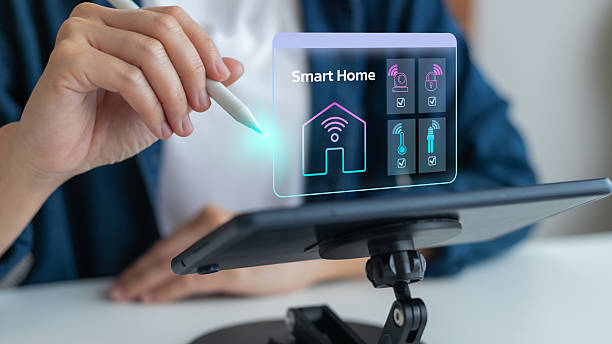
Smart security systems are becoming essential for modern households, offering advanced protection features such as motion detection, video surveillance, and remote monitoring through smartphones or connected devices.
Homeowners can monitor their properties in real time from anywhere, ensuring peace of mind. Notifications and alerts are instantly sent when unusual activity is detected, allowing quick action when needed.
Smart locks and doorbell cameras add an extra layer of convenience and safety. Users can control access remotely, verify visitors, and maintain security without being physically present at home.
As technology evolves, security systems are becoming more intelligent and integrated. They can connect with other devices, creating a comprehensive network that enhances overall home safety and protection.
Energy Efficiency and Sustainable Living
Energy efficiency is a major focus in smart home development, with devices designed to reduce consumption and promote sustainability. Smart homes help users minimize their environmental impact while saving money.
Smart thermostats, lighting systems, and appliances automatically adjust usage based on occupancy and preferences. This reduces waste and ensures that energy is only used when necessary and beneficial.
Renewable energy integration is also growing, with solar panels and smart energy storage systems becoming more common. These technologies allow homeowners to generate and manage their own power efficiently.
Sustainable living is becoming easier with smart technology. By providing insights into energy usage and offering automation, smart homes empower users to make environmentally conscious decisions daily.
Expansion of Internet of Things Devices
The Internet of Things is driving the expansion of connected devices within homes. From kitchen appliances to wearable gadgets, everything can now communicate and work together seamlessly for improved functionality.
Smart refrigerators, washing machines, and ovens can be controlled remotely, offering convenience and efficiency. Users can monitor and manage appliances even when they are not physically present at home.
Interconnectivity between devices creates a unified ecosystem. This allows automation of tasks such as turning off lights, locking doors, and adjusting temperature when leaving or entering the house.
As IoT technology advances, more devices are becoming compatible with smart home systems. This expansion is making homes more interconnected, efficient, and capable of adapting to user needs.
Smart Home Entertainment Innovations
Entertainment systems are evolving with smart home technology, providing immersive and personalized experiences. Smart TVs, speakers, and streaming devices offer seamless access to a wide range of content.
Users can control entertainment systems through voice commands or mobile apps. This simplifies the process of switching between channels, adjusting volume, or selecting content based on preferences.
Multi room audio systems allow synchronized music playback throughout the house. This enhances the entertainment experience, making it more dynamic and enjoyable for families and guests.
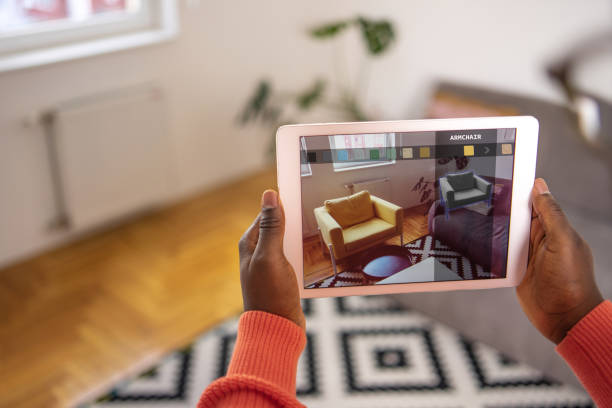
Advancements in virtual and augmented reality are also influencing home entertainment. These technologies are creating more interactive experiences, transforming how people engage with media within their homes.
Automation of Daily Household Tasks
Home automation is simplifying daily routines by handling repetitive tasks automatically. From cleaning to cooking, smart devices are reducing the time and effort required for household management.
Robotic vacuum cleaners and smart kitchen appliances are becoming increasingly popular. They operate independently and efficiently, allowing users to focus on more important or enjoyable activities.
Scheduling features enable devices to perform tasks at specific times. For example, lights can turn on in the evening, and coffee machines can start brewing in the morning automatically.
Automation enhances convenience and improves productivity. By minimizing manual work, smart homes allow individuals to manage their time better and maintain a more organized lifestyle.
Health and Wellness Focus in Smart Homes
Smart home technology is increasingly focused on improving health and wellness. Devices such as air purifiers, sleep trackers, and fitness monitors help users maintain a healthier lifestyle.
Smart lighting systems can adjust brightness and color temperature to support natural sleep cycles. This helps improve sleep quality and overall well being for individuals and families.
Air quality monitors detect pollutants and allergens, ensuring a healthier indoor environment. They can automatically activate purification systems when harmful levels are detected, promoting better respiratory health.
Health focused smart devices are becoming more advanced and integrated. By providing real time data and insights, they empower users to make informed decisions about their physical and mental well being.