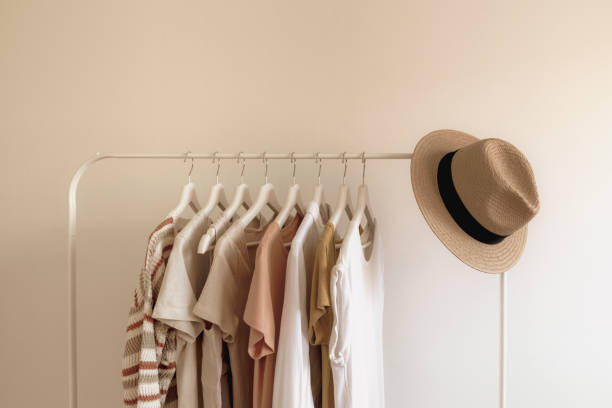
Minimalist style focuses on simplicity, functionality, and intentional choices in clothing. It encourages owning fewer items while maximizing outfit combinations, helping individuals reduce clutter and maintain a clean, organized wardrobe.
This approach emphasizes quality over quantity, allowing people to invest in durable pieces that last longer. It reduces decision fatigue, making daily dressing easier, faster, and more efficient without sacrificing personal style.
Minimalism in fashion also promotes sustainability by reducing waste and overconsumption. By choosing versatile pieces, individuals contribute to environmentally conscious habits while still looking stylish and confident in their everyday outfits.
Adopting minimalist style does not mean sacrificing creativity. Instead, it challenges individuals to mix and match thoughtfully, creating multiple looks from limited items while maintaining a polished and intentional appearance.
Building a Minimalist Wardrobe
Creating a minimalist wardrobe starts with decluttering existing clothing. Removing unused or unnecessary items helps identify essential pieces and allows individuals to focus on building a functional and cohesive collection.
A minimalist wardrobe typically includes neutral colors and timeless designs. These elements make it easier to mix and match outfits, ensuring each piece complements others and reduces the need for excessive clothing.
Investing in high quality basics such as plain shirts, well fitted jeans, and classic jackets ensures durability and versatility. These staples form the foundation of a minimalist wardrobe and support multiple styling options.
Careful planning is essential when building a minimalist wardrobe. Each purchase should serve a purpose, align with personal style, and add value, preventing impulse buying and unnecessary accumulation of clothing items.
Choosing Versatile Clothing Pieces
Versatility is the key principle of minimalist fashion. Selecting clothing items that can be worn in multiple ways allows individuals to create diverse outfits without expanding their wardrobe unnecessarily.
Neutral colors like black, white, beige, and gray work well in minimalist wardrobes. These shades blend easily, making outfit combinations effortless while maintaining a clean and sophisticated look.
Multi functional clothing items such as reversible jackets or adaptable dresses enhance wardrobe efficiency. These pieces provide different styling options, reducing the need for additional purchases and maximizing value.
Layering plays an important role in versatility. By combining simple pieces creatively, individuals can adapt outfits for different seasons and occasions without owning a large number of clothes.
Benefits of Minimalist Fashion
Minimalist fashion simplifies daily life by reducing decision making stress. With fewer clothing options, individuals can quickly choose outfits, saving time and energy while maintaining a consistent and stylish appearance.
Financial savings are another advantage of minimalist style. By purchasing fewer but higher quality items, individuals avoid frequent spending on trendy clothing that quickly goes out of fashion.
Minimalism encourages mindful consumption and reduces environmental impact. Fewer purchases mean less waste, contributing to sustainable fashion practices and promoting a more responsible approach to clothing choices.
A minimalist wardrobe also enhances personal style clarity. With intentional selections, individuals develop a distinct and consistent look that reflects their personality without relying on excessive or trendy items.
Styling with Fewer Clothes
Styling with fewer clothes requires creativity and strategic thinking. By experimenting with combinations, individuals can create unique outfits from limited pieces, ensuring variety without expanding their wardrobe.
Accessories play a significant role in minimalist fashion. Simple additions like watches, scarves, or bags can transform an outfit, adding personality and variation without requiring additional clothing items.
Color coordination helps maximize outfit possibilities. Sticking to a consistent color palette ensures all pieces work together, making it easier to create stylish combinations with minimal effort.
Confidence is essential when styling minimalist outfits. Embracing simplicity allows individuals to focus on fit and comfort, ensuring they feel good in their clothing while maintaining a clean and elegant appearance.
Maintaining a Minimalist Closet
Maintaining a minimalist closet requires regular evaluation of clothing items. Periodically reviewing the wardrobe helps remove unused pieces and ensures only essential and loved items remain.
Proper organization is crucial for a minimalist wardrobe. Keeping clothes neatly arranged makes it easier to see available options, encouraging better outfit planning and reducing unnecessary purchases.
Adopting a one in one out rule helps maintain balance. When adding a new item, removing an old one prevents clutter and ensures the wardrobe remains streamlined and functional.
Caring for clothing properly extends its lifespan. Washing, storing, and handling garments with care preserves their quality, reducing the need for frequent replacements and supporting minimalist principles.
Minimalism and Personal Expression
Minimalist fashion allows individuals to express themselves through thoughtful choices rather than excess. Each piece reflects personal taste, creating a wardrobe that feels authentic and meaningful.
Contrary to common belief, minimalism does not limit creativity. Instead, it encourages innovative styling, where individuals experiment with layering, textures, and combinations to create unique looks.
Personal expression in minimalism often focuses on subtle details. Fit, fabric, and small design elements become more significant, allowing individuals to stand out without relying on bold or excessive clothing.
Minimalist style promotes confidence by simplifying choices. When individuals feel comfortable and aligned with their wardrobe, they naturally express themselves more effectively through their clothing.
Transitioning to a Minimalist Lifestyle
Transitioning to minimalist fashion begins with mindset changes. Understanding the value of simplicity and intentional living helps individuals embrace the concept and make conscious clothing decisions.
Gradual changes are more effective than drastic ones. Slowly reducing wardrobe size allows individuals to adjust comfortably while learning how to maximize the use of remaining clothing pieces.
Setting clear goals helps guide the transition process. Defining personal style, preferred colors, and essential items ensures the wardrobe remains functional and aligned with individual needs.
Consistency is key to maintaining minimalist habits. By staying mindful of purchases and focusing on quality over quantity, individuals can successfully adopt and sustain a minimalist clothing lifestyle.