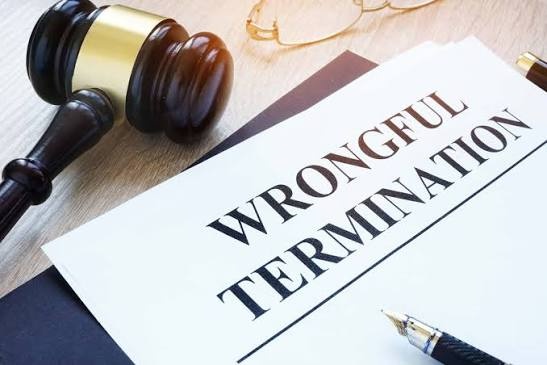
The modern workplace continues to evolve as businesses adapt to changing economic conditions, technological advancements, and workforce expectations. While employers generally have the authority to make staffing decisions, employees are also protected by laws designed to promote fairness and prevent unlawful employment practices.
Losing a job can create financial uncertainty, emotional stress, and concerns about future career opportunities. In some situations, workers may question whether their dismissal complied with applicable employment laws. Understanding workplace protections and the factors that influence employment disputes is becoming increasingly important as regulations and workplace policies continue to develop.
In 2026, employees are more informed about their rights than ever before, leading to greater attention on employer accountability and fair employment practices.
Employment laws exist to create standards that protect both employers and employees. These laws help establish expectations regarding hiring, workplace conduct, discipline, accommodations, and termination decisions.
Protected workplace rights often involve:
When disputes arise, decision-makers typically evaluate whether an employer's actions complied with these legal requirements.
Understanding these protections helps employees recognize situations that may warrant further review.
Employment disagreements can arise for many reasons. While every case is unique, certain situations appear more frequently than others.
Employees who report workplace misconduct, discrimination, safety violations, or legal concerns may sometimes believe adverse actions followed their complaints.
Claims may arise when workers believe employment decisions were influenced by legally protected characteristics rather than legitimate business reasons.
Employment agreements, executive contracts, and company policies may create obligations that affect termination decisions.
Disagreements sometimes occur when employees request protected leave or workplace accommodations.
These circumstances often become central issues during employment investigations and legal reviews.
One of the most important factors in workplace disputes is documentation.
Employees should maintain records that may include:
Strong documentation can help establish timelines, clarify facts, and provide evidence regarding workplace events.
When evaluating a potential wrongful termination matter, records often play a significant role in determining whether legal protections may have been violated.
Employers typically rely on multiple factors when making personnel decisions.
Common considerations may include:
Organizations often review productivity, work quality, attendance, and overall performance history.
Economic conditions, restructuring efforts, and operational changes may affect staffing decisions.
Employers generally expect employees to follow workplace rules and professional standards.
Behavioral concerns and disciplinary issues may also influence employment actions.
Because legitimate reasons for termination frequently exist, employment disputes often focus on whether those reasons were genuine or whether unlawful factors contributed to the decision.
Many organizations conduct internal investigations before making significant employment decisions.
Investigations may involve:
A thorough investigation can help employers make informed decisions while reducing the likelihood of future disputes.
Likewise, employees who understand how investigations work are often better prepared to protect their interests and respond effectively when concerns arise.
Workplace communication has changed dramatically in recent years.
Today, relevant evidence may include:
As remote and hybrid work arrangements continue expanding, digital records often become critical sources of information during employment disputes.
For individuals examining a possible wrongful termination situation, preserving relevant electronic communications may be particularly important.
In some employment-related disputes, specialized experts may evaluate the impact of job loss on an individual's future earning capacity and employment opportunities.
These evaluations may consider:
Such assessments can provide valuable insight into the economic effects of employment decisions and may be used during settlement discussions or legal proceedings.
As workplace disputes become more complex, expert evaluations continue playing a growing role in employment litigation.
Several developments are influencing workplace disputes this year.
Remote and hybrid work models continue creating new challenges regarding supervision, productivity measurement, and workplace policies.
Workers are becoming more aware of legal protections and reporting mechanisms.
Organizations are implementing clearer policies and documentation practices to reduce misunderstandings.
Digital systems are improving the availability and accuracy of employment records.
Many employers are investing in training and compliance initiatives designed to reduce legal risk and promote fair treatment.
These trends are reshaping how employers manage personnel decisions and how workplace disputes are evaluated.
Experiencing a job loss can be overwhelming, but taking organized and professional steps can be beneficial.
Employees should consider:
Being proactive helps individuals better understand their options while protecting future opportunities.
Those evaluating a potential wrongful termination claim often benefit from gathering information early rather than waiting until critical evidence becomes difficult to obtain.
Workplace disputes can arise in a variety of circumstances, and understanding employment rights remains an essential part of career management. While employers generally have broad authority to make staffing decisions, legal protections exist to prevent unfair or unlawful treatment.
As employment laws, workplace technologies, and workforce expectations continue evolving in 2026, both employers and employees must remain informed about their rights and responsibilities. Through proper documentation, professional conduct, and awareness of available protections, individuals can better navigate workplace challenges and make informed decisions when employment disputes occur.

This post has been authored and published by one of our premium contributors, who are experts in their fields. They bring high-quality, well-researched content that adds significant value to our platform.