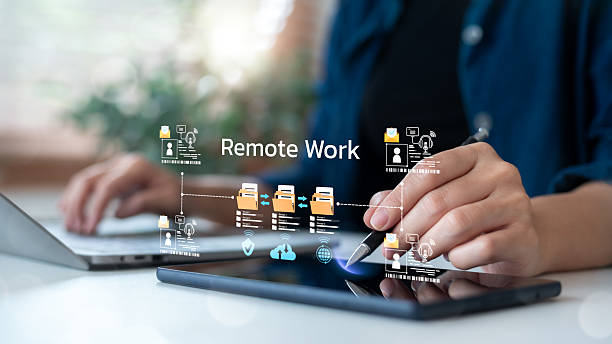
Remote work has evolved significantly over the last decade, shifting from rare corporate benefit to mainstream work model driven by digital communication tools and changing employee expectations globally today rapidly.
Companies increasingly adopt remote setups to reduce costs, access global talent, and improve productivity through flexible schedules supported by advanced collaboration platforms and cloud-based technologies used widely across industries today rapidly expanding.
Initially remote work was limited to freelancers and tech professionals but pandemic acceleration forced organizations to rethink traditional office structures and embrace hybrid models worldwide very quickly transformation shift globally.
Today remote culture is deeply embedded in business operations, influencing hiring, communication, and performance measurement systems across startups and large enterprises alike everywhere driving modern workplace transformation now globally rapidly.
Technology Driving Remote Work Growth
High speed internet, cloud computing, and collaboration tools like video conferencing platforms have become essential enablers of remote work efficiency and productivity across industries worldwide digital transformation era continues expanding.
Artificial intelligence and automation tools help teams manage tasks, analyze data, and communicate seamlessly, reducing manual workload and increasing accuracy in remote environments improving productivity across global teams significantly now.
Mobile devices and smart applications allow professionals to stay connected anytime, enabling flexible communication and real-time collaboration without geographical limitations or constraints supporting modern distributed workforce operations globally effectively today.
Cybersecurity technologies also play a critical role in protecting sensitive business data, ensuring secure communication channels and preventing unauthorized access in remote work systems essential for modern organizations stability globally.
Rise of Digital Entrepreneurship
Digital entrepreneurship is growing rapidly as individuals launch online businesses using websites, social media platforms, and e-commerce marketplaces with minimal initial investment required driven by global digital adoption trends accelerating.
Creators and freelancers now monetize skills through content creation, freelancing platforms, and digital products, building sustainable income streams without traditional employment structures empowering independent professionals worldwide economy growth significantly expanding.
E-commerce platforms have simplified global trade allowing small businesses to reach international customers easily without physical store limitations or high operational costs transforming retail business landscape globally very rapidly growing.
Social media marketing and influencer ecosystems further support digital entrepreneurs by providing visibility, audience engagement, and direct monetization opportunities across multiple platforms driving modern online business success globally consistently rising.
Global Workforce and Hiring Trends
Companies are increasingly hiring remote employees from different countries, enabling access to diverse talent pools and reducing dependency on local labor markets significantly creating flexible global employment opportunities rapidly evolving.
Freelance marketplaces and remote job boards have transformed recruitment processes, making it easier for companies to find skilled professionals on demand worldwide improving hiring speed and efficiency globally significantly now.
Hybrid work models are becoming standard as organizations balance in-office collaboration with remote flexibility, ensuring productivity and employee satisfaction remain high across sectors driving modern workplace transformation globally consistently growing.
Cross-border hiring also introduces cultural diversity and innovation, helping companies build more creative and adaptable teams capable of solving complex business problems enhancing global corporate performance standards very rapidly evolving.
Benefits of Remote Work for Businesses
Remote work significantly reduces operational costs by minimizing office space requirements, utility expenses, and commuting-related allowances for employees across various industries globally improving business efficiency and profitability outcomes steadily increasing.
Productivity often increases in remote environments as employees enjoy flexible schedules, fewer distractions, and improved work life balance leading to better performance results enhancing overall workforce satisfaction levels globally significantly.
Businesses gain access to a wider talent pool, enabling them to recruit highly skilled professionals regardless of geographical boundaries or physical office locations supporting scalable business growth strategies efficiently now.
Remote operations improve business continuity during disruptions such as pandemics or natural disasters, ensuring companies can maintain services without physical office dependency ensuring resilience and operational stability worldwide very effectively.
Challenges in Remote Work Environment
Despite benefits, remote work presents challenges such as communication gaps, time zone differences, and reduced face to face interaction affecting team coordination requiring improved digital communication strategies globally continuously adapting.
Employees may experience isolation and burnout due to lack of social interaction and blurred boundaries between personal and professional life at home impacting mental health and productivity levels significantly now.
Security risks also increase when employees use personal devices or unsecured networks, making businesses vulnerable to data breaches and cyber attacks requiring strong cybersecurity policies and employee awareness training globally.
Maintaining productivity tracking and performance evaluation becomes difficult in remote setups, requiring advanced tools and clear communication between managers and employees to ensure accountability and consistent workflow management effectively now.
Online Business Models of the Future
Subscription based models are becoming popular as businesses offer recurring services and products, ensuring steady revenue streams and long term customer relationships driving predictable and sustainable business growth consistently expanding.
Affiliate marketing continues to grow as individuals promote products online and earn commissions, leveraging content platforms and social media influence effectively supporting passive income generation opportunities worldwide very rapidly scaling.
Digital marketplaces will expand further, allowing businesses to sell products globally with automated logistics, payment systems, and customer support integration improving efficiency and global customer experience quality at scale rapidly.
Content driven businesses such as blogging, YouTube, and podcasting will remain strong as audiences continue consuming digital content across multiple devices daily creating diverse monetization opportunities for creators globally expanding.
Role of AI and Automation in Online Work
Artificial intelligence is transforming online work by automating repetitive tasks, improving decision making processes, and enhancing overall efficiency across digital platforms driving innovation and productivity in businesses rapidly worldwide growth.
Chatbots and virtual assistants help businesses handle customer support, reducing response times and improving user experience in online environments efficiently enhancing automation and scalable service delivery systems globally significantly improving.
Machine learning algorithms analyze large datasets to predict trends, optimize marketing campaigns, and improve business strategies for better performance outcomes helping organizations make data driven decisions faster very effectively now.
Automation tools are reducing manual workload for freelancers and companies, allowing them to focus on creative and strategic aspects of online work improving productivity and work efficiency levels globally now.
Future Predictions for Remote Economy
The future of remote work will likely include fully distributed companies operating without physical headquarters, relying entirely on digital infrastructure and communication systems becoming standard in global economy very soon.
Virtual reality and augmented reality technologies may redefine collaboration, enabling immersive meetings and interactive workspaces for remote teams across industries creating new immersive digital workplace experiences globally rapidly evolving now.
Governments and organizations may introduce new regulations to manage remote work standards, ensuring fair wages, data protection, and employee rights worldwide supporting balanced global digital workforce governance very consistently growing.
Overall the remote economy will continue expanding as technology, globalization, and changing work culture reshape how businesses operate and individuals earn income globally driving long term sustainable growth worldwide steadily.