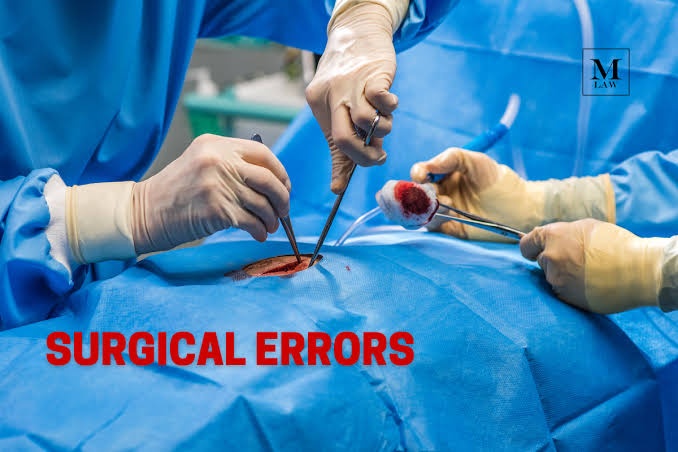
Surgery is often performed to correct a health problem, relieve symptoms, or improve a patient's quality of life. Patients trust surgical teams to carefully review their medical information, confirm the planned procedure, and communicate effectively before treatment begins. When a patient receives the wrong procedure, however, the consequences can be severe.
A wrong-site, wrong-procedure, or wrong-patient operation may result in additional surgery, physical complications, emotional distress, and unexpected medical expenses. In some circumstances, these mistakes may raise questions about medical negligence.
Understanding what happened and preserving important information can help patients determine what steps to take after an unexpected surgical error.
Wrong surgery can occur in several forms. A patient may undergo an operation on the incorrect side of the body, receive a procedure that was not intended, or experience a situation where the surgical team operates on the wrong patient.
Examples may include:
These situations can involve multiple stages of care. A mistake may originate during scheduling, documentation, preoperative preparation, patient identification, or communication between healthcare professionals.
The consequences of an incorrect operation can extend well beyond the original procedure. A patient may require corrective surgery to address the initial mistake, increasing the risks associated with another operation.
Additional treatment may also result in longer recovery periods and increased healthcare expenses. Depending on the circumstances, patients may experience infections, nerve damage, mobility problems, scarring, chronic pain, or other complications.
There can also be a significant psychological impact. Someone who expected a carefully planned procedure may experience anxiety, frustration, or a loss of confidence in the healthcare system after discovering that an incorrect operation occurred.
It is important to distinguish between an unfortunate medical complication and negligence. Surgery carries inherent risks, and some complications can occur despite appropriate care.
A potential malpractice claim generally requires evidence that the healthcare provider failed to meet the applicable standard of care and that this failure caused harm.
For example, simply experiencing pain after surgery does not necessarily establish negligence. By contrast, evidence that the wrong surgical site was selected because established identification and verification procedures were not followed may warrant a more detailed investigation.
Each situation must be evaluated based on its specific medical facts.
Medical documentation can be particularly important when investigating a wrong surgery lawsuit. Patients may want to preserve copies of relevant records, including:
Patients should also maintain documentation concerning additional medical treatment, expenses, time away from work, and other consequences of the injury.
Electronic health records may provide additional information about when orders were entered, records were updated, imaging was reviewed, or communications occurred. In complex cases, this information may help establish a timeline of events.
Surgical malpractice cases can involve technical medical questions that are difficult to evaluate without professional expertise. Medical experts may review records and determine whether the treatment provided was consistent with accepted professional standards.
They may also assess whether the alleged mistake caused the patient's injury and whether additional treatment became necessary because of the error.
This distinction is important because identifying a mistake is only part of evaluating a potential claim. The connection between the mistake and the patient's actual damages can be equally significant.
Healthcare organizations continue to use checklists, electronic records, imaging systems, patient-identification procedures, and other safeguards to reduce preventable surgical errors.
Technology can improve communication and create detailed records, but it cannot replace careful human oversight. Incorrect information entered into a system, failure to review records, or communication breakdowns can still contribute to serious problems.
As medical technology becomes more sophisticated in 2026, investigating a surgical error may involve reviewing both clinical decisions and the systems used to support them.
Patients who believe an incorrect procedure caused significant harm may consider discussing the circumstances with an experienced medical malpractice lawyer. Early legal guidance can be useful because malpractice claims may involve specific procedural requirements and deadlines.
An attorney can review available records, identify potential issues, work with appropriate medical experts, and explain whether the circumstances may support a claim.
Patients should also avoid assuming that an error automatically guarantees compensation. The strength of a case depends on the evidence, applicable law, medical opinions, causation, and the nature of the resulting damages.
Discovering that an incorrect procedure occurred can be deeply unsettling. Patients may need additional medical care while also trying to understand why the mistake happened.
The most important first step is obtaining appropriate medical treatment. After immediate health concerns are addressed, organizing medical records and documenting the effects of the injury can help create a clearer picture of what occurred.
A wrong surgery lawsuit may involve complicated medical and legal questions, but informed patients can take practical steps to protect their interests. Understanding the available evidence, seeking appropriate medical opinions, and obtaining qualified legal guidance can help patients make thoughtful decisions about what comes next.
Ultimately, the focus should be on understanding the circumstances, addressing the patient's medical needs, and determining whether preventable negligence played a role in the injury.

This post has been authored and published by one of our premium contributors, who are experts in their fields. They bring high-quality, well-researched content that adds significant value to our platform.