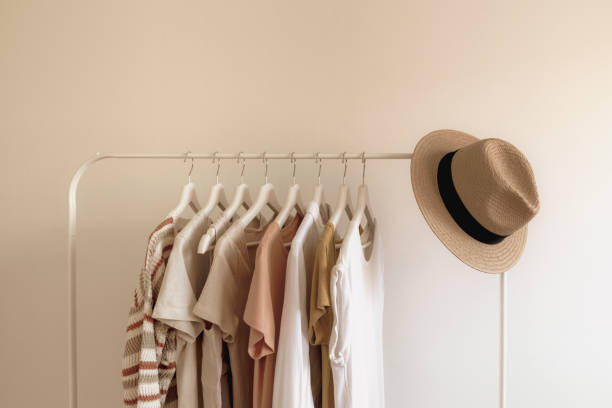
Sustainable fashion focuses on reducing environmental harm caused by clothing production, consumption, and disposal. It encourages mindful choices that protect natural resources, minimize waste, and promote ethical treatment of workers worldwide.
The fashion industry is one of the largest polluters globally, contributing to water waste, chemical pollution, and carbon emissions. Choosing sustainable clothing helps reduce these impacts and supports a healthier planet for future generations.
Consumers play a crucial role in driving change by supporting brands that prioritize eco-friendly materials and ethical practices. Small decisions, like buying less and choosing better quality items, create long-term positive environmental effects.
Understanding sustainable fashion also means recognizing the full lifecycle of garments, from raw materials to disposal. This awareness helps individuals make responsible choices that align with environmental and social values.
Choosing Eco-Friendly Fabrics and Materials
Selecting eco-friendly fabrics is essential for building a sustainable wardrobe. Natural materials like organic cotton, hemp, and linen require fewer chemicals and water, making them better for the environment and human health.
Recycled fabrics, such as recycled polyester, help reduce waste by repurposing plastic bottles and textile scraps. These materials lower the demand for new resources while minimizing landfill waste and pollution levels globally.
Innovative materials like bamboo and Tencel are gaining popularity due to their sustainability benefits. They are biodegradable, require less water, and are produced using environmentally friendly processes compared to conventional fabrics.
Avoiding synthetic fabrics like traditional polyester and nylon can significantly reduce microplastic pollution. These materials shed tiny plastic particles during washing, which eventually enter oceans and harm marine ecosystems.
Building a Minimal and Versatile Wardrobe
A minimal wardrobe focuses on quality over quantity, encouraging individuals to own fewer pieces that can be styled in multiple ways. This approach reduces unnecessary purchases and promotes long-term sustainability in fashion habits.
Versatile clothing items, such as neutral-colored tops and classic jeans, can be mixed and matched easily. This reduces the need for excessive shopping while ensuring you always have stylish outfit options available.
Investing in timeless pieces instead of fast fashion trends helps extend the lifespan of your wardrobe. Classic designs remain relevant for years, reducing waste and saving money over time through fewer replacements.
Decluttering your wardrobe is an important step in building sustainability. Donating or recycling unused clothing prevents waste accumulation and gives garments a second life, benefiting both people and the environment.
Supporting Ethical and Sustainable Brands
Ethical brands prioritize fair wages, safe working conditions, and environmentally responsible production processes. Supporting these brands encourages better practices within the fashion industry and promotes social responsibility globally.
Researching brands before purchasing helps identify those committed to sustainability. Certifications and transparency reports provide insights into their production methods, sourcing, and overall environmental impact, guiding smarter consumer decisions.
Local and small businesses often adopt sustainable practices due to lower production scales and community focus. Supporting them reduces transportation emissions and strengthens local economies, contributing to sustainable development.
Avoiding fast fashion brands that prioritize low costs over ethics is crucial. These companies often exploit workers and produce low-quality garments that contribute to environmental degradation and excessive waste generation.
Practicing Smart Shopping Habits
Mindful shopping involves purchasing only what you truly need. Avoiding impulse buying reduces unnecessary consumption and helps maintain a clutter-free wardrobe while promoting sustainability and responsible spending habits.
Second-hand shopping is an excellent way to reduce environmental impact. Thrift stores, online resale platforms, and vintage shops offer unique styles while extending the life cycle of existing clothing items.
Choosing quality over quantity ensures garments last longer and require fewer replacements. Durable clothing made with strong materials and craftsmanship reduces waste and provides better value over time for consumers.
Planning purchases in advance helps avoid unnecessary buying decisions. Creating a list of needed items and sticking to it encourages thoughtful consumption and prevents accumulation of rarely used clothing pieces.
Caring for Clothes to Extend Their Lifespan
Proper garment care significantly increases clothing lifespan. Washing clothes less frequently and using cold water reduces energy consumption while preventing fabric damage, helping maintain quality for longer periods.
Air drying clothes instead of using dryers minimizes energy use and prevents shrinkage or wear. This simple habit contributes to sustainability while preserving the condition and durability of your wardrobe items.
Repairing minor damages like loose buttons or small tears prevents the need for replacements. Learning basic sewing skills can save money and extend the usability of clothing significantly over time.
Storing clothes properly protects them from damage caused by moisture, insects, or improper folding. Organized storage ensures garments remain in good condition and ready for use whenever needed.
Recycling and Upcycling Old Clothing
Recycling clothing prevents textiles from ending up in landfills. Many organizations accept old garments and repurpose them into new products, reducing waste and conserving resources within the fashion industry.
Upcycling involves creatively transforming old clothes into new designs. This process not only reduces waste but also allows individuals to express creativity by giving new life to unused or outdated garments.
Donating clothes in good condition helps those in need while promoting sustainability. It extends the lifespan of garments and reduces the demand for new clothing production, benefiting both society and the environment.
Participating in clothing swap events is another sustainable option. Exchanging clothes with others refreshes your wardrobe without additional purchases, reducing environmental impact and encouraging community engagement.
Embracing a Sustainable Fashion Mindset
Building an eco-friendly wardrobe requires a shift in mindset toward conscious consumption. Understanding the impact of fashion choices encourages individuals to prioritize sustainability over trends and impulsive buying habits.
Education plays a key role in adopting sustainable practices. Staying informed about environmental issues and ethical production methods helps individuals make better decisions and inspire others to follow similar paths.
Consistency is essential for long-term sustainability. Small changes, like reducing purchases or choosing eco-friendly fabrics, gradually lead to significant positive environmental impacts when practiced regularly over time.
Encouraging others to adopt sustainable fashion practices amplifies the impact. Sharing knowledge and promoting responsible consumption helps create a collective movement toward a more ethical and environmentally friendly fashion industry.