Second, developed countries are still trying to improve the medicine and hospital facilities in their underprivileged areas. Medicine departments and doctors all show concern for the rural areas and the fact that they are losing health just because they don't get the right and quick facilities for health and medicine.
Focusing on infrastructure and equipment alone does not allow hospitals to make advances in health care in communities. As per the research, the NGO’s research says the real improvement comes when hospitals know people’s socio-economic conditions, basic needs, and everyday struggles to make ends meet. This understanding tends to dictate the operations of MASH Hospital.
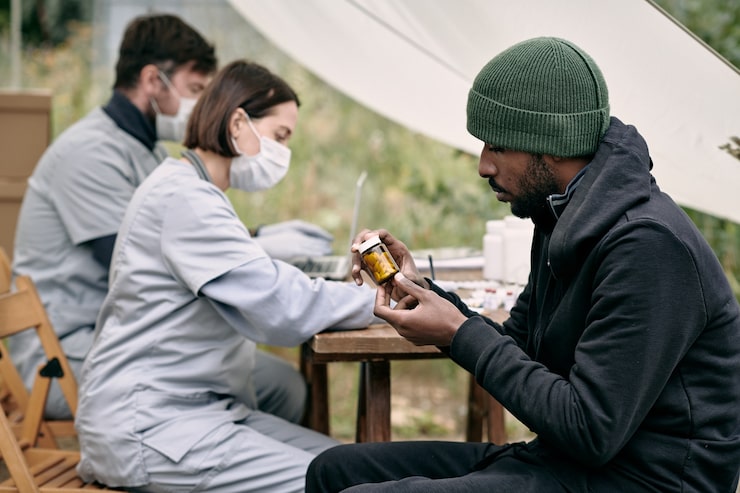
Although the government has set up huge hospitals for local people, with big machinery as well, rural areas may need to get the essentials first. They need guidance. They need trust. They want someone who can explain their medical problem in layman’s terms. Many people do not go to the hospital. They feel neglected. After all, they don't trust the doctors because they are not aware of whom to reach, and there is no proper staff to guide the illiterate. A patient-centered climate significantly transforms this experience.
MASH Hospital’s importance is that it provides expert medical treatment to groups who are usually ignored.
The matter of expensive medicine and the cost of a checkup also bothers the heads of families. Thus, healthcare creates fear among low-income families. A lot of people wait to go to therapy because they expect huge medical bills. The rural healthcare system only works if the ordinary family can obtain treatment.
Hospitals catering to rural areas must priorities awareness initiatives. Monotherapy is insufficient. Prevention is of similar importance. A clean environment, hygiene, and maintenance of cleanliness are the priorities at MASH Hospital. It has gained trust and progressed in teaching the masses about cleanliness and better body maintenance.
MASH Hospital's community-oriented strategy has advantages that extend beyond medication. It fosters trust in patients who frequently feel disregarded.
In addition to treating illness, modern health care also has an impact on human behavior. For example, rural patients need emotional support and prefer physicians who take their time and don't rush. They also look for hospitals that treat people in poverty with dignity.
There is so much for a doctor patient relationship. Together they can not just make the best of each other but also engage more patients who are in dire need of medical help yet do not trust doctors.
Transportation is a major problem for many rural towns. Because of the great distance to hospitals, emergencies become dangerous. In many cases, long-term treatment only makes things worse. Hospitals serving rural communities mitigate these hazards by improving access.
The other problem, which can be second priority, is the shortage of skilled professionals in the rural areas.
Many physicians are attracted to metropolitan areas with their superior facilities and better opportunities. Like rural areas around MASH Hospital do look at them for better treatments and medicine advice. This results in inequality in health care. Still, rural communities continue to rely on a constrained medical workforce. Hospitals committed to serving the people of rural areas play a part in the development of a nation.
Rapid care for patients is possible with the use of electronic records, online consultations, telemedicine, and mobile health services. Instead of entirely replacing human care, automation should be used to supplement it. People living in rural areas continue to place a high value on personal connections and relationships with healthcare providers that are founded on trust.
Individuals in rural communities frequently possess profound emotional and cultural convictions on disease and its treatment. Hospitals that engage in respectful communication with communities develop more robust partnerships over time.
A poor diet, together with ignorance, can exacerbate several health problems. People in rural regions often cut back on food without considering the potential negative effects on their health. Mothers' health, their children's development, and their immune systems can all benefit from education on healthy eating.
Mental illness often goes unnoticed in rural areas. Mental health can be impacted by stress from several sources, including financial difficulties, family issues, job loss, and health concerns. However, many individuals avoid discussing their mental health issues due to the stigma associated with doing so. Healthcare facilities can facilitate the normalization of these talks by practicing respectful awareness.
Communities do not develop trust in systems instantaneously. Trust is established gradually over years of sincere service. Hospitals that maintain their dedication throughout challenging periods integrate into the community.
This is why facilities such as MASH Hospital unlike any other hospitals in Multan hold significance beyond just medical care. Their presence signifies stability for several families who may otherwise feel neglected.
Healthcare must not be relegated to a luxury accessible only to affluent individuals or metropolitan areas. Every individual is entitled to secure treatment, accurate diagnosis, and dignified care, irrespective of financial status or geographical location.
A doctor-patient relationship based on trust is the ideal mode. Talking things out can help individuals overcome their anxiety about medical procedures and lengthy therapies. Build trust with your patients through open and honest communication. Healing that cannot be accomplished by drugs alone can be fostered through compassion.
Many small rural towns face a serious transportation problem. Because of how far away hospitals are, situations involving emergencies become very dangerous. Treatment that goes on for too long usually makes things worse. Rural hospitals reduce these risks by making their services more accessible. Another issue is that there aren't enough qualified experts in rural areas.
This represents the genuine significance of healthcare in rural existence.
It encompasses more than only prescriptions or devices. It pertains to alleviating fear. It pertains to safeguarding dignity. It pertains to instilling confidence in individuals that they are not isolated during their sickness.
Healthcare attains significance when it comprehends human existence.
In underprivileged populations, that comprehension is paramount.
Also Read: Best Dentist Idaho Falls 2026: Clinical Excellence & Tech.

This post has been authored and published by one of our premium contributors, who are experts in their fields. They bring high-quality, well-researched content that adds significant value to our platform.