In the world of medicine, “safe” doesn’t mean “zero risk.” Every time you swallow a pill or receive a vaccine, a massive, global network is working behind the scenes to ensure that the benefits of that treatment continue to outweigh its risks.
This critical field is known as Pharmacovigilance (PV) or Pharmacovigilance Services.
The term is derived from the Greek pharmakon (drug) and the Latin vigilare (to keep watch). According to the World Health Organization (WHO), it is defined as:
“The science and activities relating to the detection, assessment, understanding, and prevention of adverse effects or any other drug-related problem.”
In simpler terms, it’s the long-term monitoring of a medicine’s behavior in the real world. While clinical trials are rigorous, they often involve a limited number of people under controlled conditions. PV steps in once a drug hits the market and is used by millions of people with different genetics, lifestyles, and existing health conditions.
The lifecycle of drug safety follows a continuous loop. Here is how it typically works:
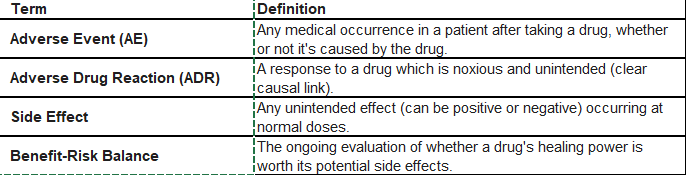
To navigate the world of PV, it helps to know the lingo:
Pharmacovigilance is the reason we have trust in our healthcare systems. Without it, we wouldn’t have discovered that certain popular painkillers increased heart attack risks or that some antibiotics shouldn’t be mixed with common juice types.

This post has been authored and published by one of our premium contributors, who are experts in their fields. They bring high-quality, well-researched content that adds significant value to our platform.